

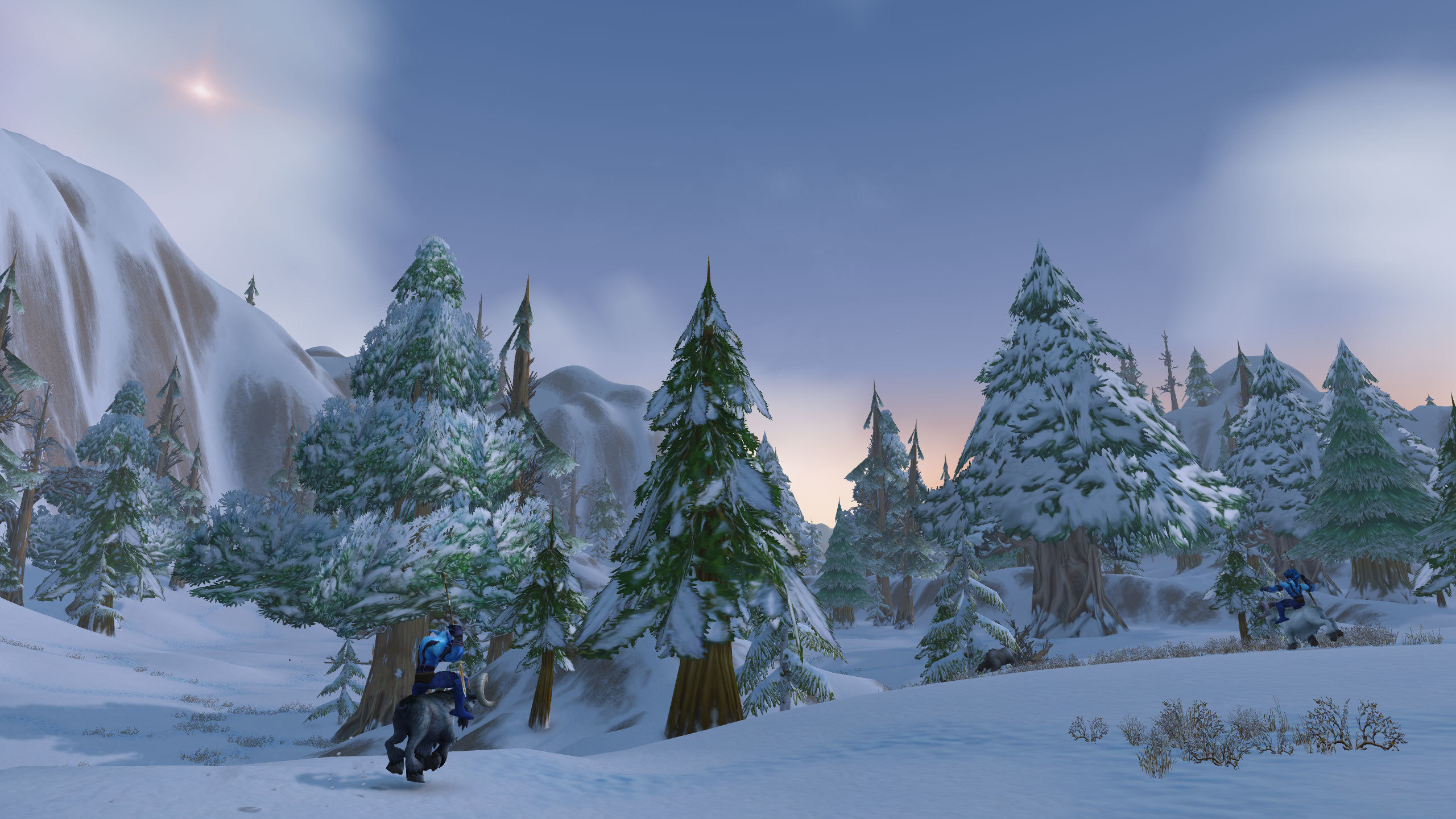
Before the first ability is cast, boss arenas already speak. Through scale, shape, lighting, and spacing, danger is communicated silently. Players read these spaces instinctively, preparing mentally before mechanics ever appear.
This article explores how boss arena design communicates danger without words and why these visual cues matter.
Scale Establishing Threat
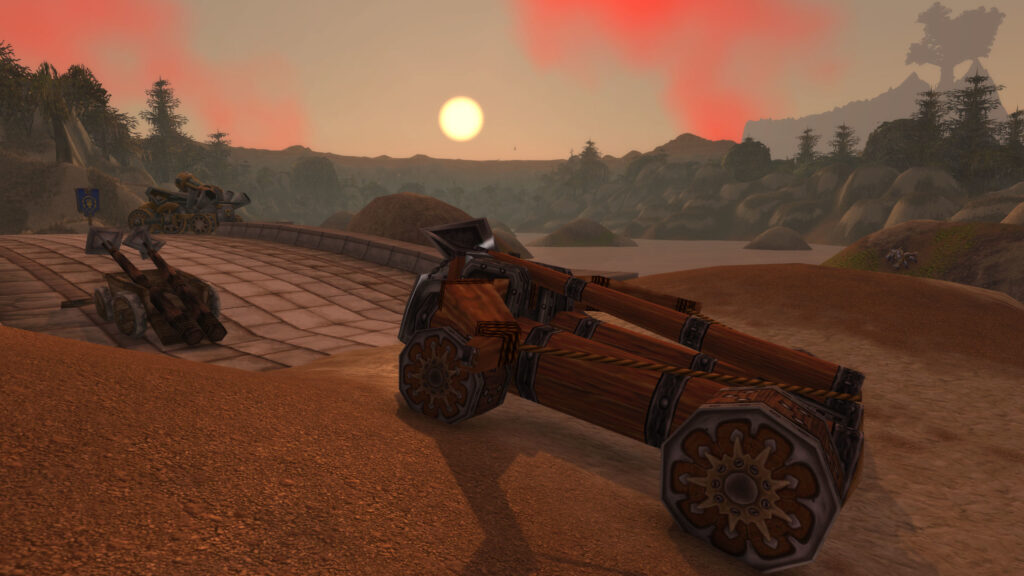
Large, enclosed arenas signal endurance, while tight spaces suggest precision and control. Size alone frames expectation.
Space sets tone.
Environmental Framing Guiding Behavior
Edges, platforms, and hazards subtly guide movement. Players adjust positioning before understanding exact mechanics.

Design directs instinct.
Design Elements That Signal Danger
Certain visual features consistently communicate risk.
- Restricted movement areas limiting escape
- Elevated platforms suggesting knockback threats
- Uneven terrain disrupting positioning
- Ambient effects implying environmental damage
Threat becomes visible.
Psychological Preparation Before Pull
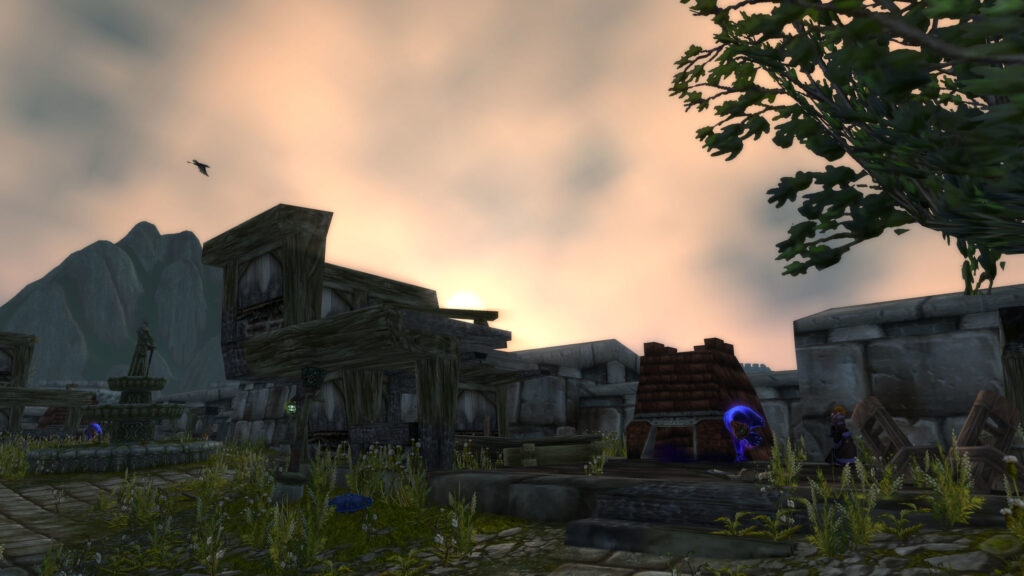
By the time the fight begins, players are already alert. The arena primes attention without explanation.
Awareness precedes action.
Why Silent Communication Is Effective
Because it requires no instruction, visual danger feels natural. Players trust what they see.
Design earns confidence.
Conclusion
Boss arena design communicates danger without words by shaping expectation through space and atmosphere. These visual signals prepare players instinctively, reinforcing immersion and focus. The arena itself becomes the first mechanic of the encounter.