
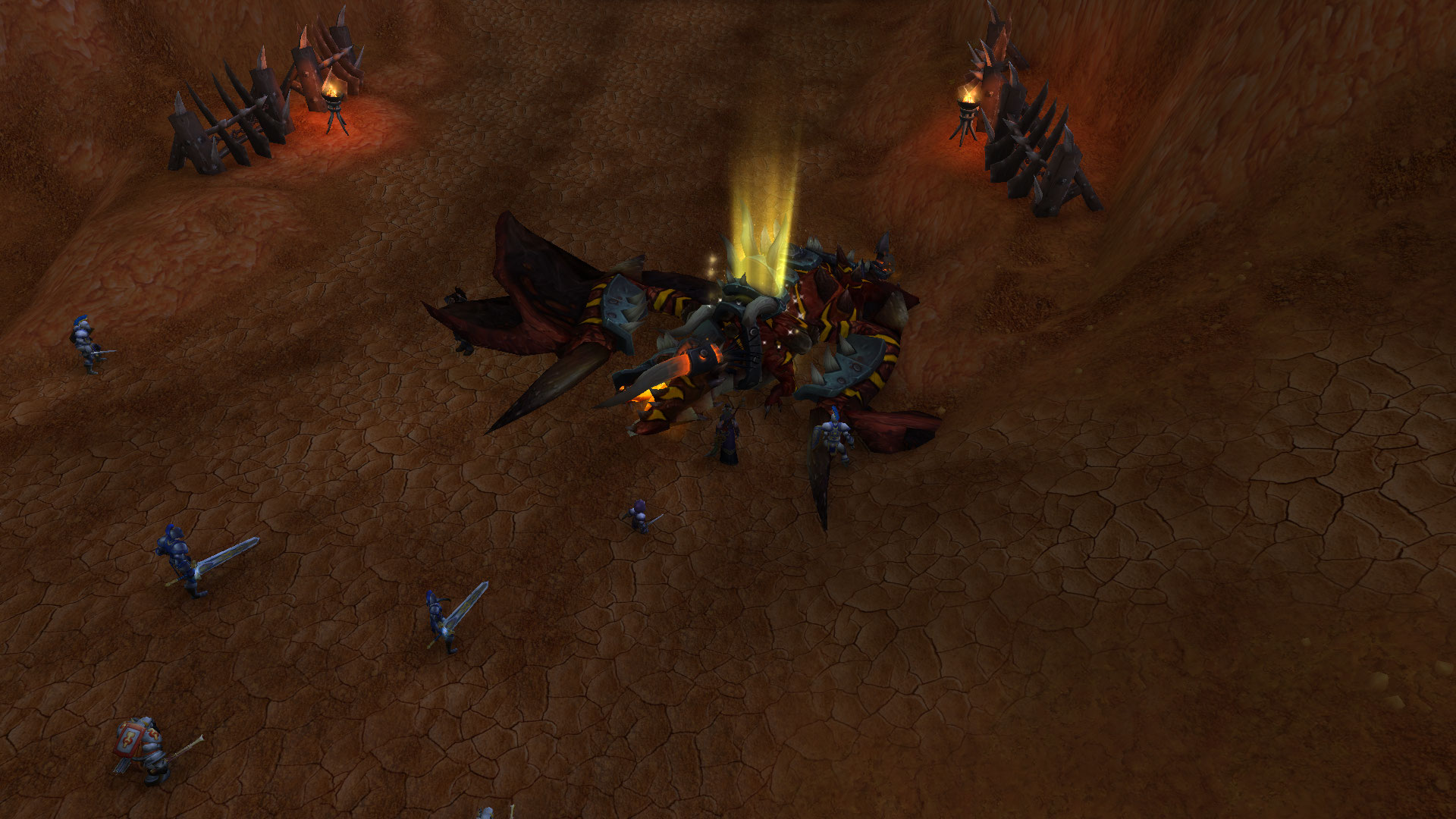
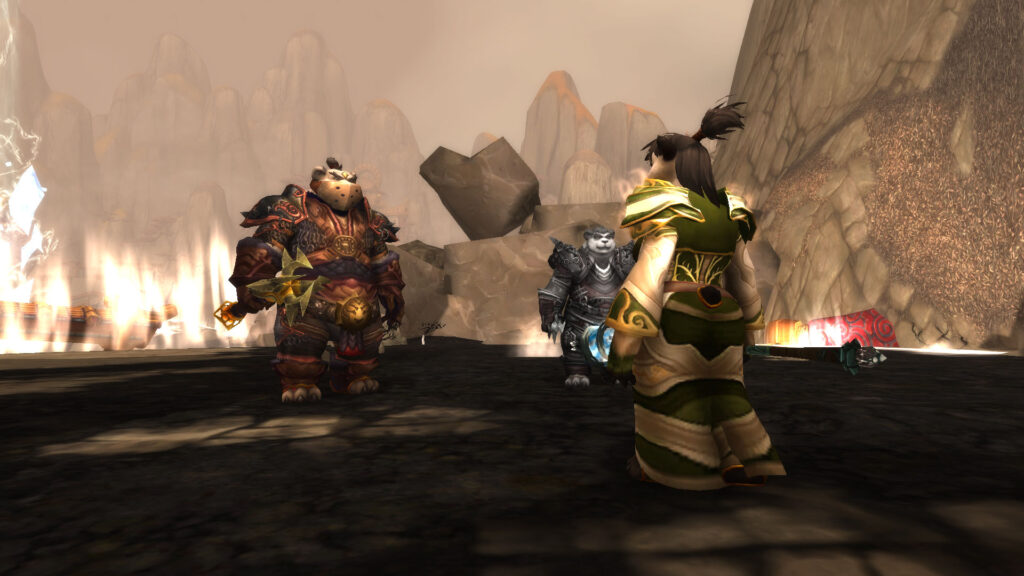
The Siege of Orgrimmar, a pivotal raid in World of Warcraft’s Mists of Pandaria expansion, exemplifies how internal faction conflict can create compelling narratives and gameplay experiences. This raid not only showcased the complexities of faction dynamics but also highlighted the emotional stakes involved when allies become adversaries. By focusing on internal struggles rather than external threats, the narrative depth and player engagement reached new heights, making it a case study in effective storytelling within MMORPGs.
What are the key metrics that made the Siege of Orgrimmar impactful?
The Siege of Orgrimmar was impactful due to its emotional stakes, character development, player engagement, and gameplay mechanics.
This table summarizes the key metrics that contributed to the success of the Siege of Orgrimmar, illustrating how internal conflict can enhance storytelling and gameplay. Each metric provides insight into the design choices that made this raid a memorable experience for players.
| Emotional Stakes | Character Development | Player Engagement | Gameplay Mechanics |
|---|---|---|---|
| High tension between factions | Complex character arcs | Increased participation in raids | Innovative boss mechanics |
| Personal stakes for players | Clear motivations for characters | Enhanced community interaction | Dynamic encounter design |
| Consequences of conflict | Character betrayals | Long-term player investment | Varied difficulty levels |
How did the internal conflict shape the narrative of the Siege of Orgrimmar?
The internal conflict in the Siege of Orgrimmar shaped the narrative by creating a rich tapestry of betrayal, loyalty, and moral ambiguity.
The narrative arc of the Siege of Orgrimmar is deeply rooted in the internal strife of the Horde, particularly the rise and fall of Garrosh Hellscream. This conflict is significant as it reflects the broader themes of power, corruption, and redemption. Players are drawn into a story where their allies are not just companions but also potential enemies, creating a sense of urgency and emotional investment. The stakes are heightened as players witness the consequences of Garrosh’s tyrannical rule, leading to a climactic confrontation that resonates with the player base.
The mechanics of storytelling in this raid are intricately tied to the characters involved. Garrosh’s transformation from a hero to a villain is portrayed through various cinematic sequences and in-game dialogue, allowing players to experience his descent into madness. This character development is crucial as it provides context for the raid’s events, making the players feel like they are part of a larger narrative. The internal conflict also serves to humanize the characters, showcasing their struggles and motivations, which enhances player empathy and engagement.
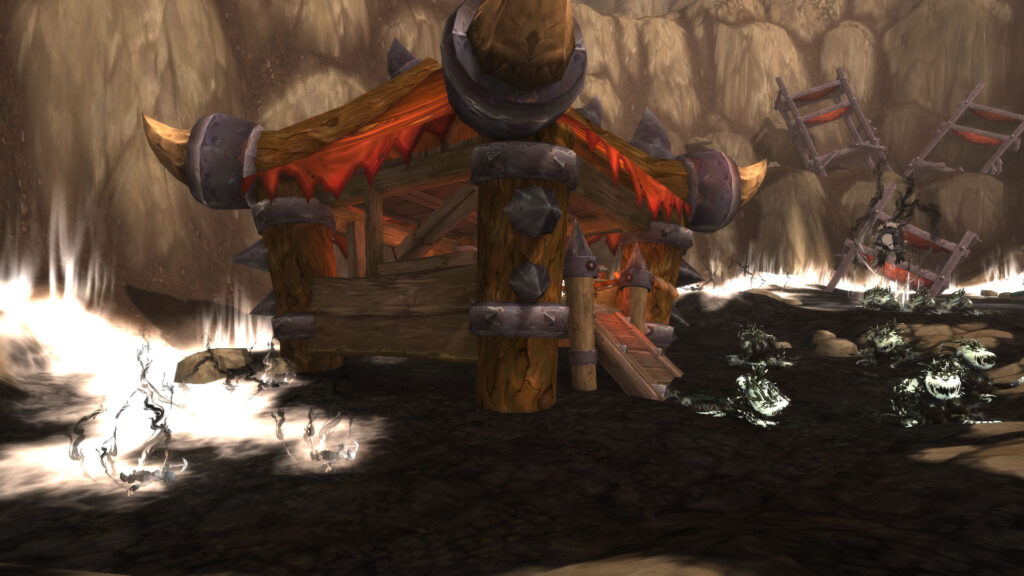
Moreover, the design of the raid itself reflects this internal conflict. Each encounter is not just a battle against a boss but a confrontation with the ideals and values that the characters represent. For instance, the fight against Garrosh is not merely about defeating a powerful foe but about confronting the very essence of what it means to be part of the Horde. This layered storytelling approach ensures that players are not just participating in a raid but are actively engaging with the narrative, making their victories feel earned and meaningful.
What steps can developers take to replicate the success of the Siege of Orgrimmar?
Developers can replicate the success of the Siege of Orgrimmar by focusing on character-driven narratives, emotional stakes, and innovative gameplay mechanics.
To create a similarly impactful experience, developers should prioritize the development of complex characters with clear motivations and arcs. This involves crafting backstories that resonate with players, allowing them to form connections with the characters. Additionally, incorporating moral dilemmas and choices can enhance the emotional stakes, making players feel the weight of their decisions. By presenting characters who are not purely good or evil, developers can create a narrative that feels authentic and engaging.
- Develop rich character backstories that resonate with players.
- Introduce moral dilemmas to enhance emotional stakes.
- Design gameplay mechanics that reflect the narrative themes.
- Incorporate player choices that impact the storyline.
Furthermore, gameplay mechanics should be designed to reflect the internal conflicts of the narrative. This can be achieved by creating encounters that challenge players not only in terms of skill but also in their understanding of the characters’ motivations. For example, implementing mechanics that require players to make choices based on their understanding of the story can deepen their engagement. Additionally, ensuring that the gameplay evolves with the narrative can keep players invested in the outcome, making them feel like active participants in the story.
How can the lessons from the Siege of Orgrimmar be applied to future content?
The lessons from the Siege of Orgrimmar can be applied to future content by emphasizing internal conflicts and character-driven storytelling.
Future content can benefit from the narrative strategies employed in the Siege of Orgrimmar by focusing on the complexities of faction relationships. By exploring themes of betrayal, loyalty, and moral ambiguity, developers can create stories that resonate with players on a deeper level. This approach not only enhances the narrative but also encourages players to engage with the content more meaningfully. Additionally, incorporating character-driven quests and storylines can provide players with a sense of agency and investment in the world.
Moreover, the design of future raids and encounters should reflect the internal conflicts of the narrative. By creating mechanics that require players to confront their beliefs and values, developers can foster a sense of immersion and emotional connection. This can be achieved through dynamic encounters that evolve based on player choices or through storytelling elements that change depending on the players’ actions. By making the gameplay experience reflective of the narrative, developers can ensure that players feel a sense of ownership over the story.
What potential challenges might arise when focusing on internal faction conflict?
Focusing on internal faction conflict may lead to challenges such as player alienation, narrative fatigue, and balancing character arcs.
One potential challenge of emphasizing internal faction conflict is the risk of alienating players who may feel disconnected from the narrative. If the story becomes too focused on specific characters or factions, it may leave some players feeling excluded from the experience. To mitigate this, developers should strive to create inclusive narratives that allow players to see themselves in the story, regardless of their faction alignment. This can be achieved by incorporating multiple perspectives and ensuring that all players have a stake in the outcome.
Another challenge is narrative fatigue, where players may become overwhelmed by the complexity of ongoing internal conflicts. To address this, developers should ensure that the pacing of the story allows for moments of respite and reflection. This can be done by interspersing intense conflict with quieter moments that allow players to process the narrative. Additionally, maintaining a balance between character arcs is crucial to prevent any one character from overshadowing others, ensuring that all characters contribute meaningfully to the story.
What are the future trends in faction conflict storytelling in MMORPGs?
Future trends in faction conflict storytelling in MMORPGs will likely focus on player agency, dynamic narratives, and evolving character arcs.
As MMORPGs continue to evolve, the trend towards player agency will become increasingly important in faction conflict storytelling. Players will seek narratives that allow them to make meaningful choices that impact the world around them. This shift will require developers to create dynamic narratives that adapt based on player actions, ensuring that the story feels alive and responsive. By allowing players to shape the outcome of faction conflicts, developers can foster a deeper sense of investment in the narrative.
Additionally, evolving character arcs will play a crucial role in future storytelling. Players will expect characters to grow and change based on their experiences, reflecting the complexities of real-life relationships. This evolution can be achieved through branching storylines that allow for multiple outcomes, ensuring that players feel their choices matter. By embracing these trends, developers can create rich, engaging narratives that resonate with players and enhance their overall gaming experience.